
Indian Air Force to Buy Used Jets as Stopgap Solution
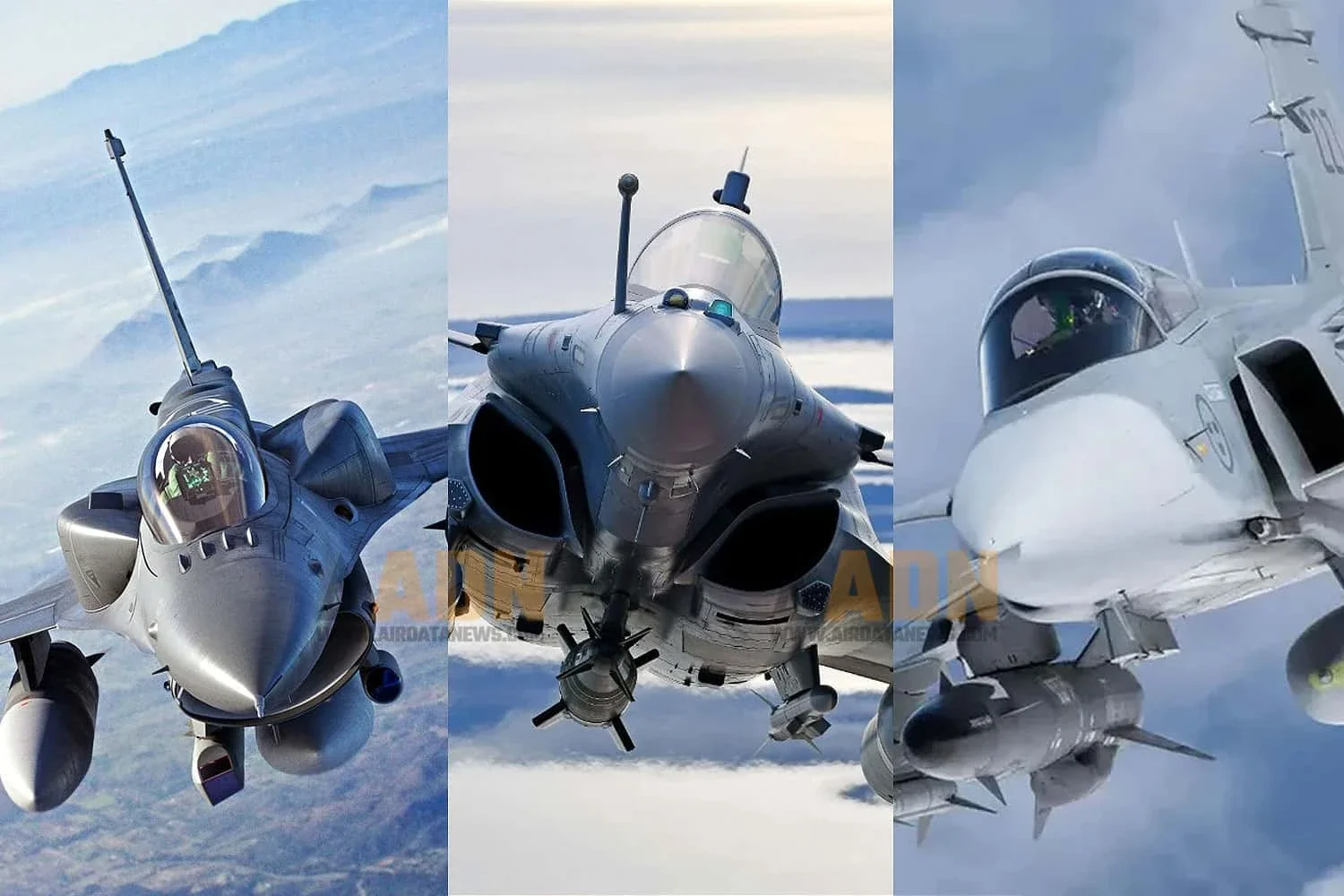
The Indian Air Force (IAF) is exploring unconventional options, including the purchase of used aircraft like the Mirage 2000, F-16, and Gripen, as a stopgap measure to address critical fighter jet shortages.
IAF analysts are discussing ways to resolve the ongoing decline in fighter fleet numbers, which have fallen to approximately 29 squadrons compared to the approved 42. This trend is exacerbated by the retirement of older aircraft and delays in the production of indigenous platforms like the Tejas Mk1A.
Air Chief Marshal A.P. Singh previously highlighted the urgency of the situation, noting that India requires 36-40 new fighter jets annually in the near future to reverse the downward trajectory. While pilot training and experience can increase with new acquisitions, this alone cannot fully compensate for the fleet deficit.
Exploring Used Aircraft Options
The government is considering acquiring second-hand aircraft to bolster its current inventory. A notable example of this strategy is India’s past purchase of 24 used Mirage 2000 airframes from France in 2021. These older planes can be restored to operational status and provide spare parts for the existing Mirage fleet.
The Mirage 2000 appears as a logical choice because India already operates the platform and the infrastructure is in place. However, implementing viable operations requires careful consideration of aircraft condition, remaining service life, engine lifespan, upgrade capabilities, and spare parts availability.
Other international options are also under review. For instance, the Gripen aircraft, which can be procured from Sweden, is expected to be delivered as part of a broader deal, with 16 aircraft slated for delivery to Ukraine by May 2026, alongside new Gripen E/F variants.
Challenges of Introducing New Types
Introducing a new fighter type into the diverse IAF fleet presents significant hurdles. Establishing new aircraft demands comprehensive resources, including specialized training, necessary infrastructure, simulators, weapon integration, and a complete supply chain. If an aircraft has a severely limited remaining service life, the maintenance costs may exceed the initial purchase price.
Current solutions, such as the planned purchase of 114 Rafale aircraft by February 2026 and the impending distribution of Tejas Mk1A, are important milestones. However, the article cautions that merely receiving approvals or signing contracts does not guarantee immediate resolution. As an example, the AMCA program is a long-term solution, and its operational deployment is expected much later than the immediate squadron crisis.
Seeking Clear Contingency Plans
To bridge the gap in squadron numbers and prepare for future introductions, India needs reliable alternatives. Currently, there is a risk in waiting for the Rafale, Tejas Mk2, and AMCA platforms to fully address the immediate needs without clear contingency options in place.
How to Get Information
For detailed updates on defense procurement plans and specific aircraft acquisition timelines, readers should monitor official press releases from the Ministry of Defence and the Indian Air Force. Stay informed about developments concerning the modernization of the Indian armed forces.
What is the primary reason for the current fighter jet shortage in the IAF?
The shortage is caused by the retirement of older aircraft and delays in the production and delivery of newer indigenous platforms like the Tejas Mk1A.
Are used aircraft like the Mirage 2000 a viable solution?
Used aircraft can be viable if they can be restored to operational status, but this must be balanced against the high costs of required upgrades and maintenance.