
Pakistan J-35A delivery timeline uncertainty
Reports regarding Pakistan’s potential acquisition of the Chinese J-35A stealth fighter jet have resurfaced, despite analysts suggesting the induction program may not progress at the predicted pace. The latest evaluations indicate that the introduction of a fifth-generation fighter jet into Pakistan could face significant delays, ranging from three to four years, or potentially extending up to two years. These assessments remain speculative, as official announcements regarding production contracts or delivery phases have not been made yet.
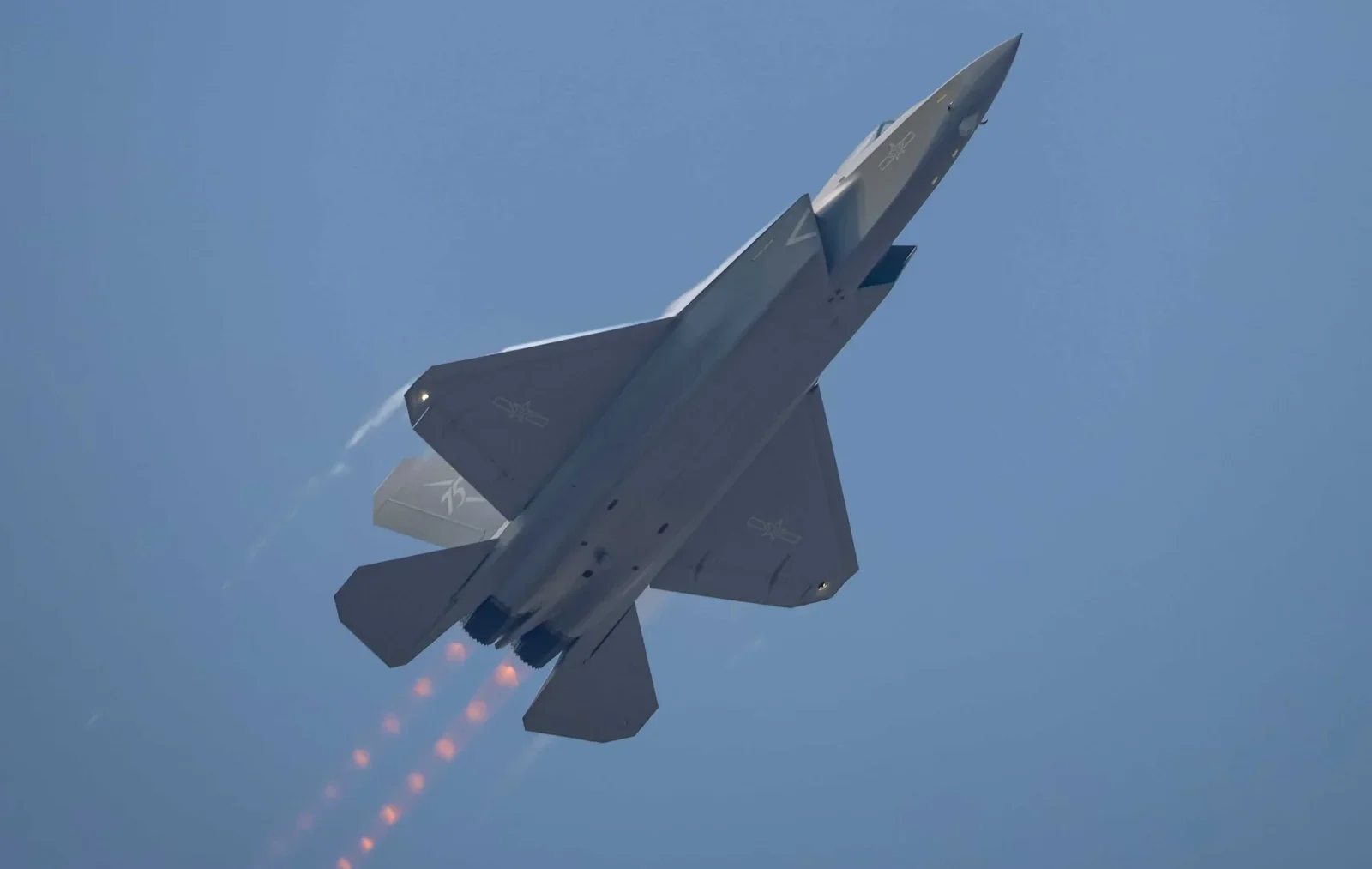
The primary driver behind this uncertainty is China’s own military modernization effort. The Shenyang-manufactured J-35A is one of China’s latest stealth fighters, designed to meet the demand of the PLAAF (People’s Liberation Army Air Force) and potentially the PLAN (People’s Liberation Army Navy) for carrier-based variants. China is expanding its fifth-generation combat fleet and developing new carriers to operate these stealth aircraft.
J-35A eligibility and benefits
The J-35A offers Pakistan’s Air Force a platform providing stand-off radar stealth, sensor fusion, and network-centric warfare capabilities. This fifth-generation capability is designed to provide a combat advantage beyond visible range, provided the aircraft maintains its promised features in an export model.
- Technological Edge: Offers advanced sensor fusion and stealth technology.
- Strategic Role: Positioned as a foundational element for Pakistan’s future combat aircraft inventory.
- System Integration: Potential for integration with broader defense modernization programs, including assets like the KJ-500 AEW&C.
Where to get information
Currently, there is no official public timetable for the J-35A delivery. Most existing information relies on media reports, analyst estimates, and informal sources. Interested parties should closely monitor official government-to-government agreements for verifiable updates on specific delivery dates and revised induction schedules.
Concerns persist regarding the gap between a highly publicized product and the reality of a commercial supply chain. Key factors affecting delivery timelines include:
- The massive supply chain logistics.
- Engine life availability.
- Avionics fit and verification.
- The complexity of long-term logistics and infrastructure planning.
These industrial realities often overshadow optimistic public announcements, leading to delays in first export deliveries.
A strategic calculation is also at play. The sale involves weighing economic interests against sensitive technology and regional security considerations. China has historically been cautious about exporting its most advanced military hardware, especially low-observable technologies and networking platforms.
Pakistan’s official stance has been relatively reserved. Pakistani officials have preferred to verify official, signed government-to-government agreements over sensational media reports about potential delivery dates. This conservative approach has led to ongoing questions regarding the program’s progress and timelines.
Furthermore, the proposed deal is viewed as encompassing a broader defense modernization program. Some reports suggest Pakistan is considering Chinese equipment for systems like the KJ-500 AEW&C and HQ-19 long-range air and missile defense systems. Integrating such sophisticated systems significantly complicates financing, training, logistics, and production schedules.
The J-35A program signals Pakistan’s increasing trend toward Chinese defense hardware, particularly as Western sources dry up. China has historically been a primary supplier for Pakistan, providing everything from the JF-17 fighter jet to naval fleets. However, while the J-35A remains a major goal, production contracts and aircraft numbers have not been publicly disclosed by either country.
What is the current status of the J-35A delivery?
There is currently no official public timetable for the J-35A delivery. All existing information remains speculative and based on analyst estimates.
What factors are causing delays in the aircraft program?
Delays are caused by the complexity of the massive supply chain, long-term logistics planning, and the verification process for avionics and weaponry.