

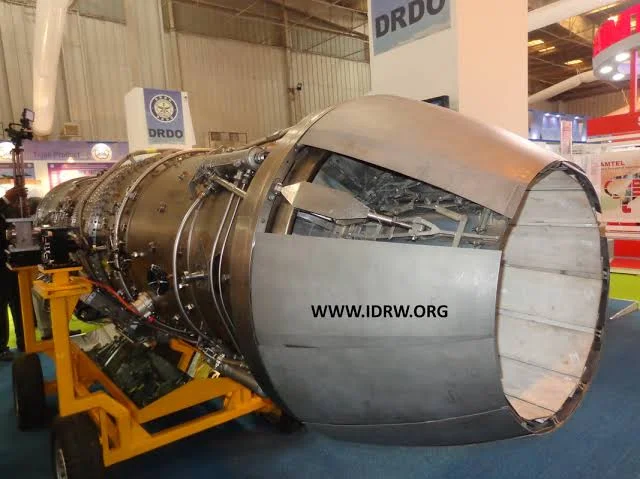
The future of India’s defense sector is gaining momentum with the advancements in the Kaveri engine project. This development highlights how the engine technology achieved a Technology Readiness Level (TRL) of 4 to 5, indicating a significant leap toward operational readiness for future military applications. Discover the impact of the Kaveri engine project on India’s aerospace capabilities.
Project Impact and Military Relevance
According to statements made by a former DRDO chief during a recent interview with Defence Reminisced YouTube channel, several critical technologies derived from the Kaveri engine project have been successfully developed. These technologies are immensely valuable for India’s future military engine growth, specifically targeting the fifth-generation fighter engines required for advanced medium combat aircraft.
The development of high-thrust engines is crucial, particularly for applications like the AMCA. While the current engines serving India’s fighter jets require significant upgrades, the project lays the groundwork for a more powerful indigenous solution. The focus is shifting towards domestic manufacturing capabilities to enhance self-reliance in advanced aero engine technology.
Understanding Technology Readiness Levels (TRLs)
Technology Readiness Levels (TRLs) are defined to assess the maturity of a given technology, ranging from TRL 1 (basic scientific research) to TRL 9 (proven and operating in operational conditions). TRL 4 signifies that a subsystem/component has been validated in a lab setting. TRL 5 indicates validation in a more representative environment.
It is important to note that these TRLs reflect the maturity of the individual technologies developed within the Kaveri project, rather than the overall maturity of the engine itself.
How to Leverage Kaveri Engine Expertise
To realize the full potential of this advanced engine technology, India must balance domestic design efforts with strategic international cooperation. While developing a high-thrust engine presents inherent complexity and cost challenges, collaborating with an experienced Original Equipment Manufacturer (OEM) can significantly accelerate the process. This partnership allows India to acquire valuable expertise in both design and manufacturing, ensuring a smoother path toward indigenous technological mastery in aerospace engineering.
The core claim remains that a combination of local development and external collaboration will make India highly self-reliant in aero engine technology.
- The achievement of TRL 4-5 for key technologies.
- Potential application in fifth-generation fighter engines.
- The shift towards domestic manufacturing capabilities.
- The necessity of international cooperation for high-thrust engine development.
Get Information on Engine Development
For detailed technical specifications or to explore partnership opportunities related to advanced engine development, interested parties should refer to official Defence Reminisced resources and relevant DRDO publications.
What does TRL 4-5 signify in the context of the Kaveri project?
TRL 4 indicates that a subsystem or component has been validated in a lab setting, while TRL 5 suggests validation in a more representative environment.
What is the main benefit of developing indigenous engine capabilities?
Developing indigenous capabilities, alongside international cooperation, will enhance India's self-reliance in advanced aero engine technology.