

Miraj-2000 Rudram-II integration update
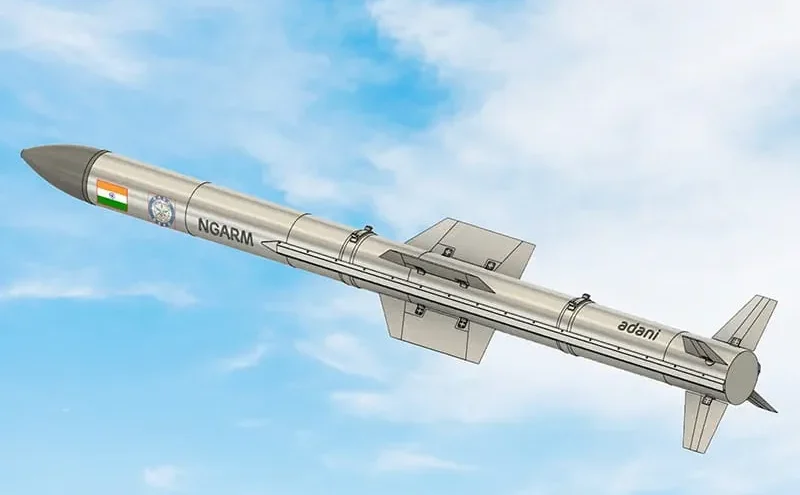
The Indian Air Force (IAF) is planning the integration of the powerful Rudram-II air-to-surface missile with the Miraj-2000 platform. This strategic collaboration aims to equip the Miraj-2000 with a capable weapon system following the Su-30MKI, enhancing its combat prowess. The key focus is on developing a multi-role combat aircraft capable of effective ground attack missions.
The missile system offers significant capabilities. The Rudram-II possesses a 300 km range and is designed to carry a 200 kg warhead. This versatile munition can be used for both anti-radiation and ground attack roles, enabling the destruction of enemy air strips, air hangers, bunkers, and radar sites.
Development timeline and testing phase
The development process is currently in the crucial simulation phase. The Defence Research and Development Organisation (DRDO) and the IAF are collaborating closely, with the IDRW collecting simulation data for missile acquisition and captive testing. This data integration will allow for safe real-world execution across various altitude and launch conditions.
A single Miraj-2000 aircraft is projected to carry at least three Rudram-II air-to-surface missiles in one sortie. One missile will be positioned under each wing, and another will be housed in the central fuselage. This capability, which proved vital in conflicts like the Kargil War, has driven the IAF to prioritize the Miraj-2000 as a platform capable of handling advanced missile systems.
The next phase involves conducting captive flight tests using a dummy Rudram-II. According to information from the IDRW, the platform’s development testing can commence within the next two years, contingent upon the successful matching of simulation data with real-time operational data. This streamlined approach accelerates the readiness of the combined platform.
Key developers and partners
The Rudram-II was developed at the Rudram-II Development Research Centre, Hyderabad. It functions as a nodal DRDO laboratory in collaboration with several sister labs, including the Defence Research and Development Laboratory, High Energy Materials Research Laboratory, and the Armament Research and Development Establishment.
Significant contributions towards this goal have been made by Development with Production Partners (DcPPs) and various industries. Hindustan Aeronautics Limited (HAL), the Regional Centre for Military Airworthiness, the Missile System Quality Assurance Agency, and multiple other organizations are actively supporting the integration of this potent air-to-surface capability.
How to track project updates
For continuous updates on this missile and aircraft project, readers should follow the official press releases from the Defence Research and Development Organisation (DRDO) and the Indian Air Force (IAF) websites.
What is the primary role of the Rudram-II missile?
The Rudram-II is designed for both anti-radiation and ground attack missions, capable of destroying various targets such as bunkers, air strips, and radar sites.
What is the expected timeline for the platform's development testing?
If simulation data matching is successful, the platform's development testing is expected to begin within the next two years.