
Su-57 Pitch Re-emergence in Indian Defense
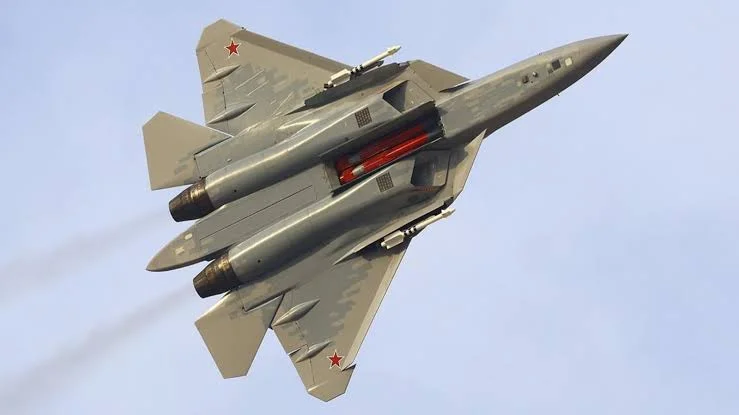
The debate surrounding the Su-57 pitch for India has been reignited in Russian media, highlighting potential opportunities arising from delays in the indigenous Advanced Medium Combat Aircraft (AMCA) program. Current coverage is heavily influenced by remarks made by retired IAF Chief Air Marshal Amar Preet Singh, who commented just before his departure on October 3.
One of the most widely circulated stories appeared on the Russian online platform www1.ru on November 17. Posted by Maxim Borisov under the title “A chance for the Su-57: India has run out of time for the AMCA development timeline.” The report suggested that the AMCA’s development duration might lead to the Russian aircraft finding a second life in the Indian market.
AMCA Program Bidding Status
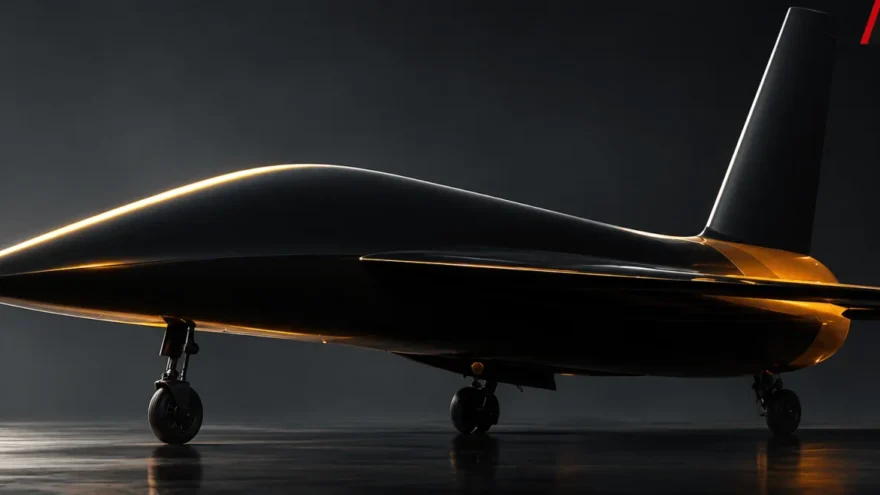
The report specified a deadline of October 30 for five AMCA prototypes for bidders. It also mentioned that three consortiums have submitted proposals currently under review by the Ministry of Defence. These proposals are for a development-co-production partnership at the prototype stage.
The two primary consortiums mentioned were Tata Advanced Systems Limited, led by L&T (including Bharat Electronics Limited and Dynamic Technologies), and Bharat Forge, led by BML (including Data Patterns). It is anticipated that the L&T-led team is expected to develop five indigenous fighter jet prototypes during this phase. These bids were opened on November 1.
Context: Former Air Chief Marshal Comments
A significant element of the Russian reports relates to the comments made by Air Chief Marshal Amar Preet Singh on October 3. On the eve of Air Force Day, the then-IAF Chief Inspector General Air stated that if there were delays in the AMCA program or other fighter jet projects, India might need to consider alternative fighter options. He also noted that Russia had proposed a Su-57, though nothing specific had been finalized.
Singh’s statements cautioned nations to expedite the restoration of their fighter aircraft inventory and warned about the risk of service attrition due to indigenous programs. He emphasized the need to introduce approximately 36-40 new fighter jets per year to curb the decline in total flight hours, noting the force was operating about 29 fighter squadrons with a sanctioned strength of 42.5.
Indigenous Development Leadership
While the Russian report contained a chronological inaccuracy regarding Air Chief Marshal Amar Preet Singh—as he received super-honour on October 31 and Air Staff Chief Ashutosh Dixit took over as the 29th Air Staff Chief—Air Chief Marshal Ashutosh Dixit is positioned as the key expert on indigenous fighter jet development. His extensive experience makes him a leading figure in this discussion.
As an experimental test pilot, Dixit led a MiG-2000 squadron and oversaw the finalization of upgrade programs for the JQW and MiG-27. He also managed the initial and final operational clearance activities for the Tejas Mk1. In his vision document, VAYU, presented to the IAF on November 1, he focused on restoring combat capability at authorized levels, boosting indigenous development, and enhancing operational readiness.
How to Stay Informed
For the latest updates on the AMCA program and defense initiatives, readers should follow official announcements from the Ministry of Defence and the Indian Air Force.
Eligibility and Benefits of Defense Programs
Detailed eligibility criteria for specific defense consortiums and prototype development projects are typically released by the respective defense procurement agencies. Potential participation often requires specific technological expertise, established production capacity, and adherence to strict national defense standards.
Key areas benefiting from robust indigenous development include the improvement of operational readiness, the reduction of dependence on foreign hardware, and the creation of high-tech manufacturing jobs within the domestic defense ecosystem.
What is the main reason for renewed interest in the Su-57 pitch?
The pitch has been revived by reports from Russian media, suggesting that delays in India's AMCA program may create a window for exploring alternative fighter options.
Which Indian experts are driving indigenous fighter jet development?
Air Chief Marshal Ashutosh Dixit is highlighted as a key figure, having led major programs like the MiG-2000 and Tejas Mk1 clearances, and presenting the VAYU vision for the IAF.